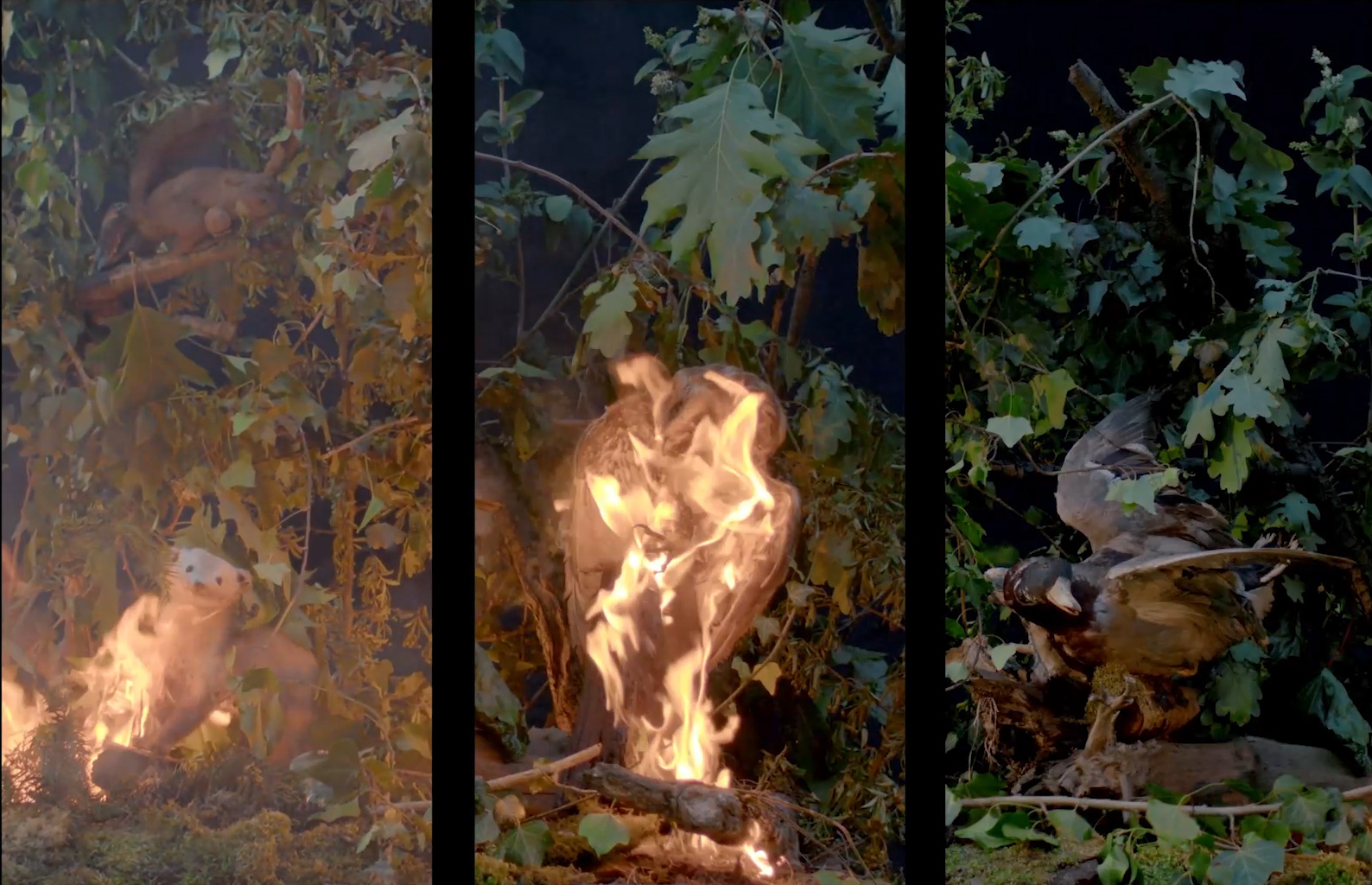
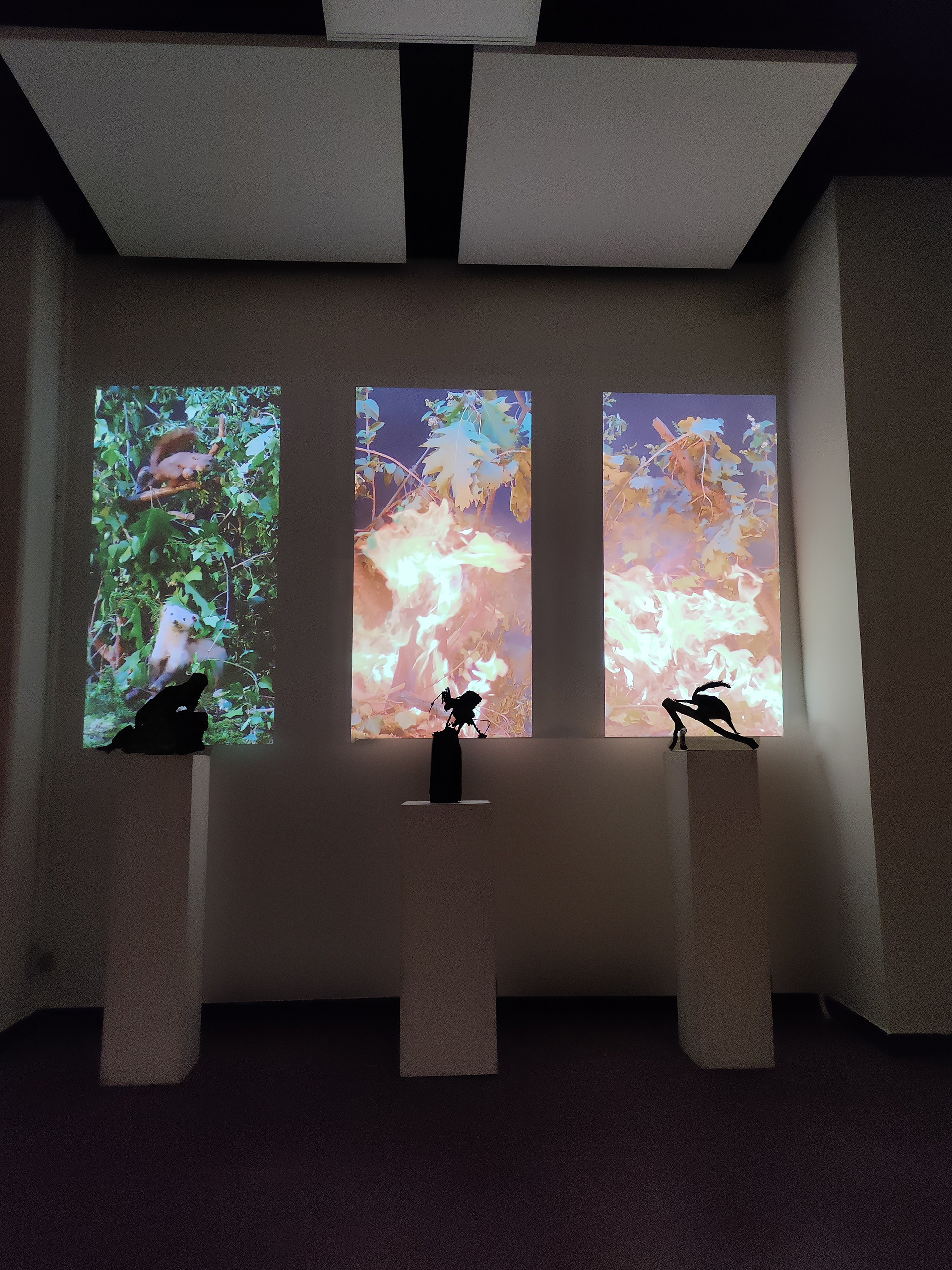
“After the Fire” is a video and sculpture installation.
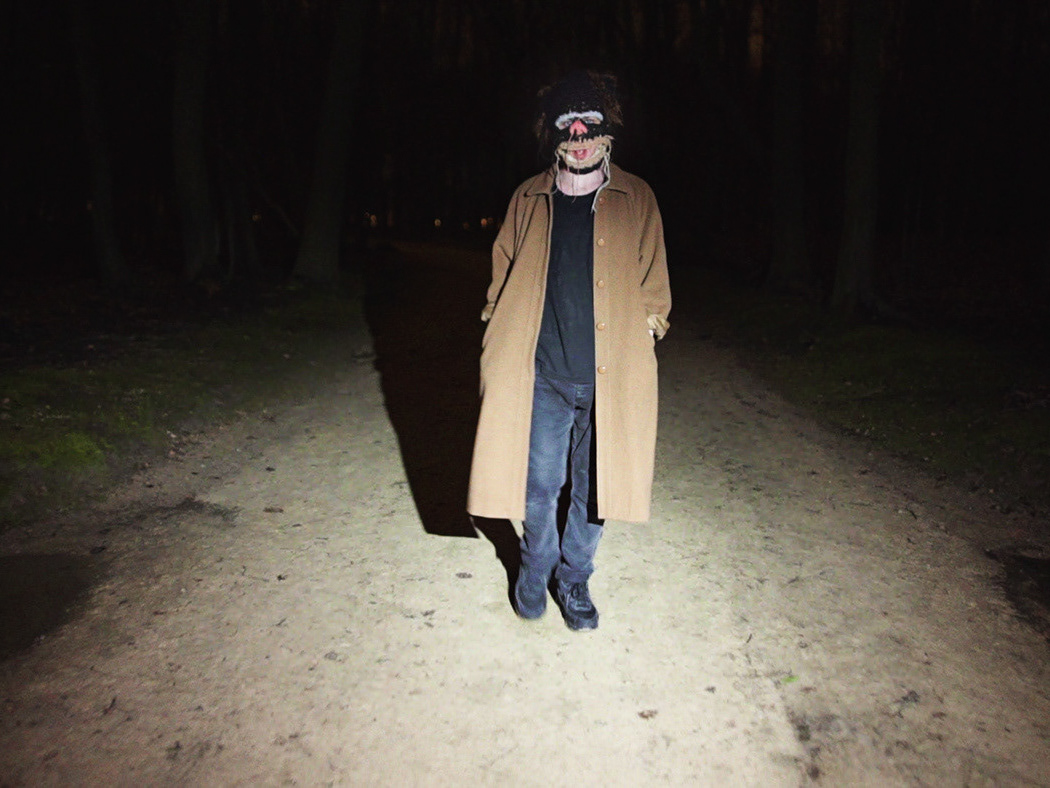
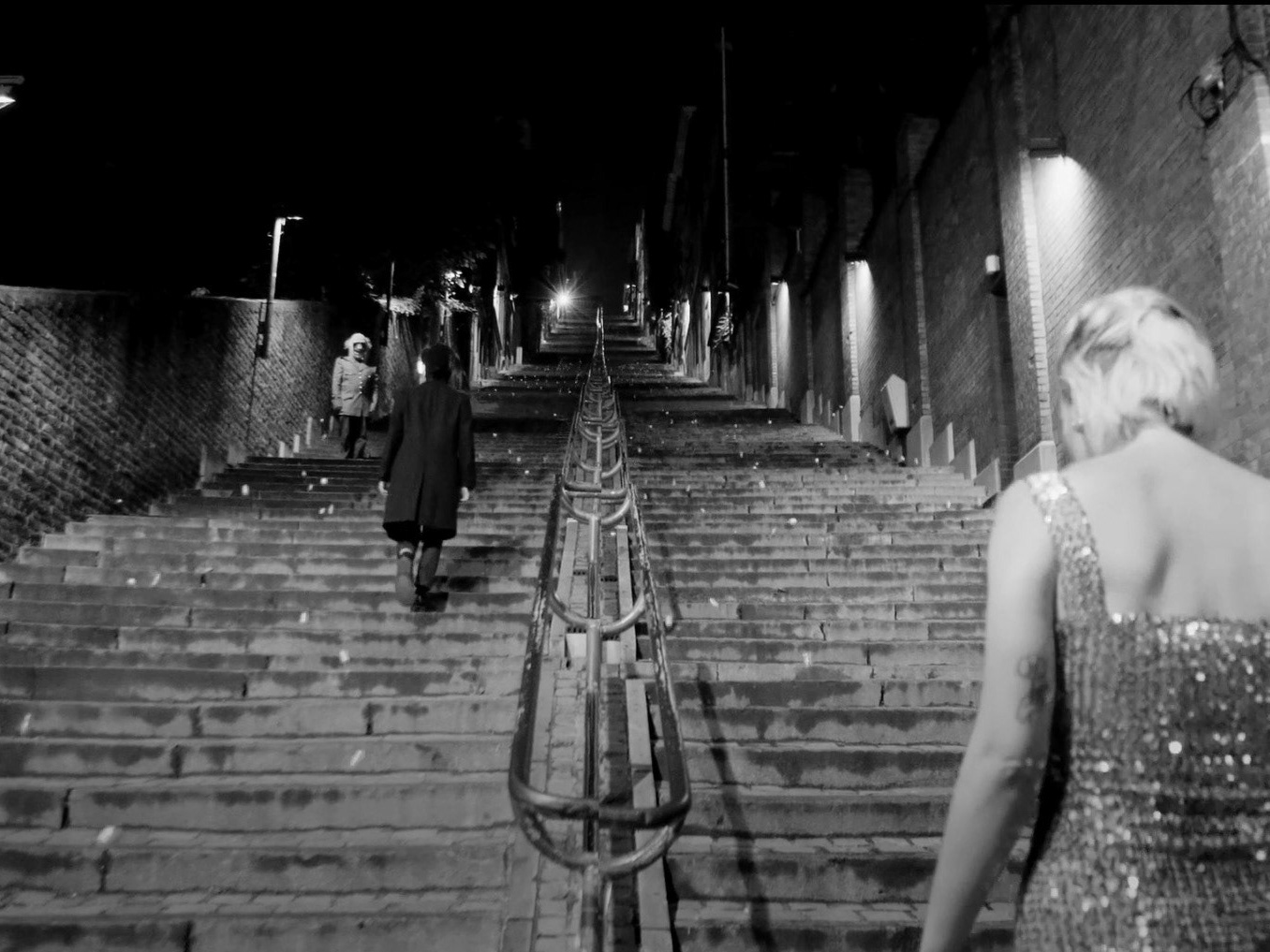
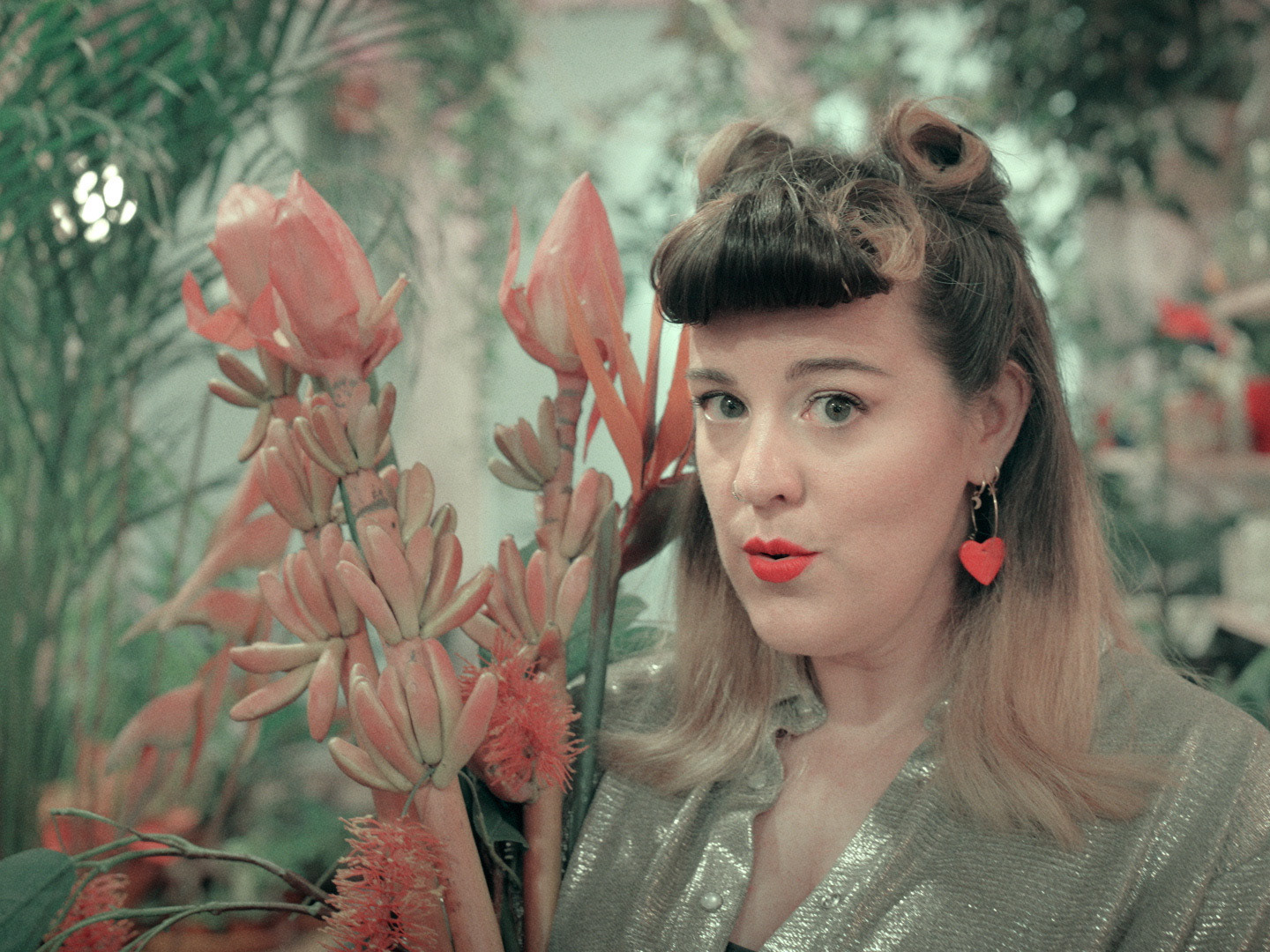
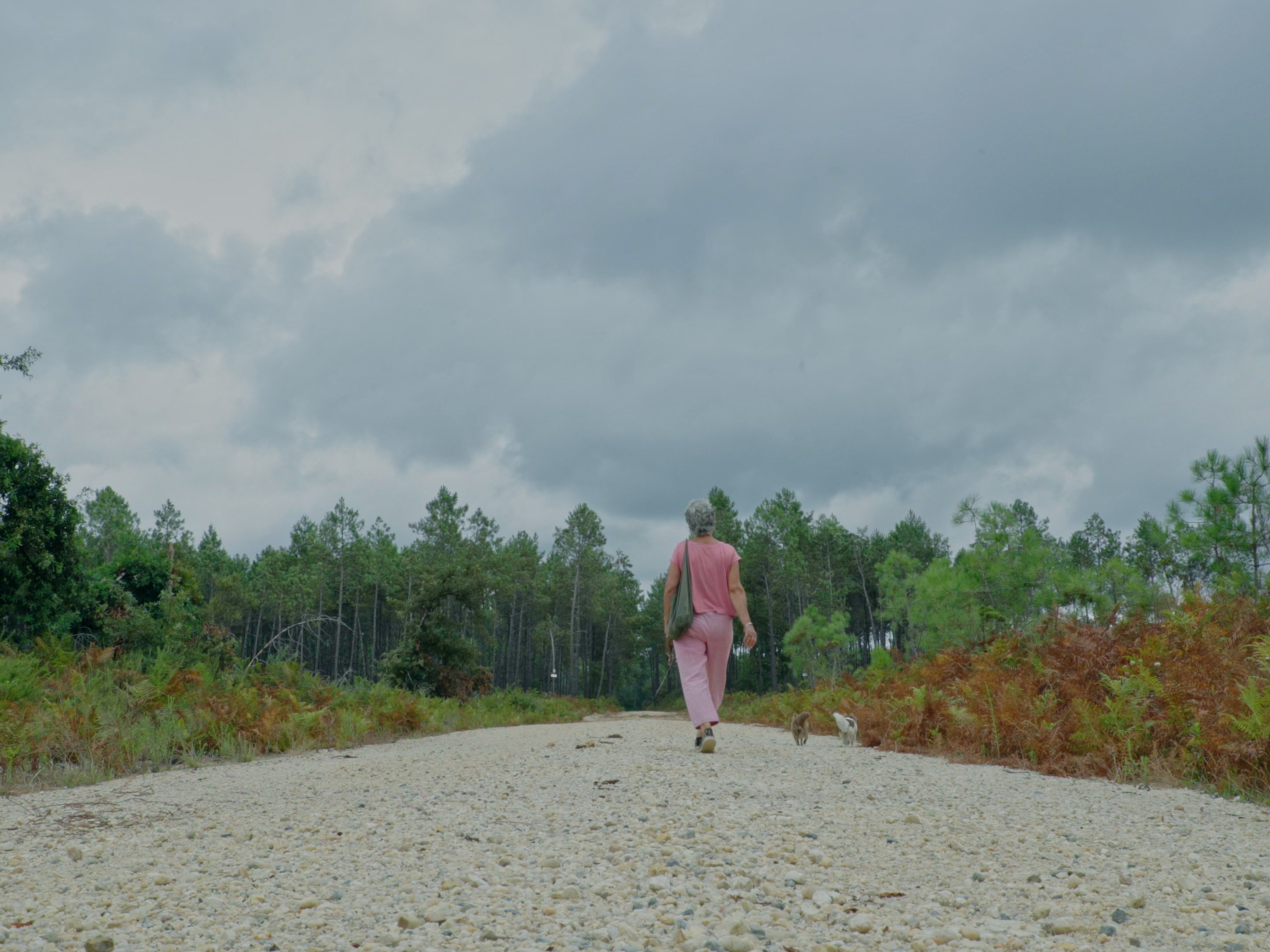
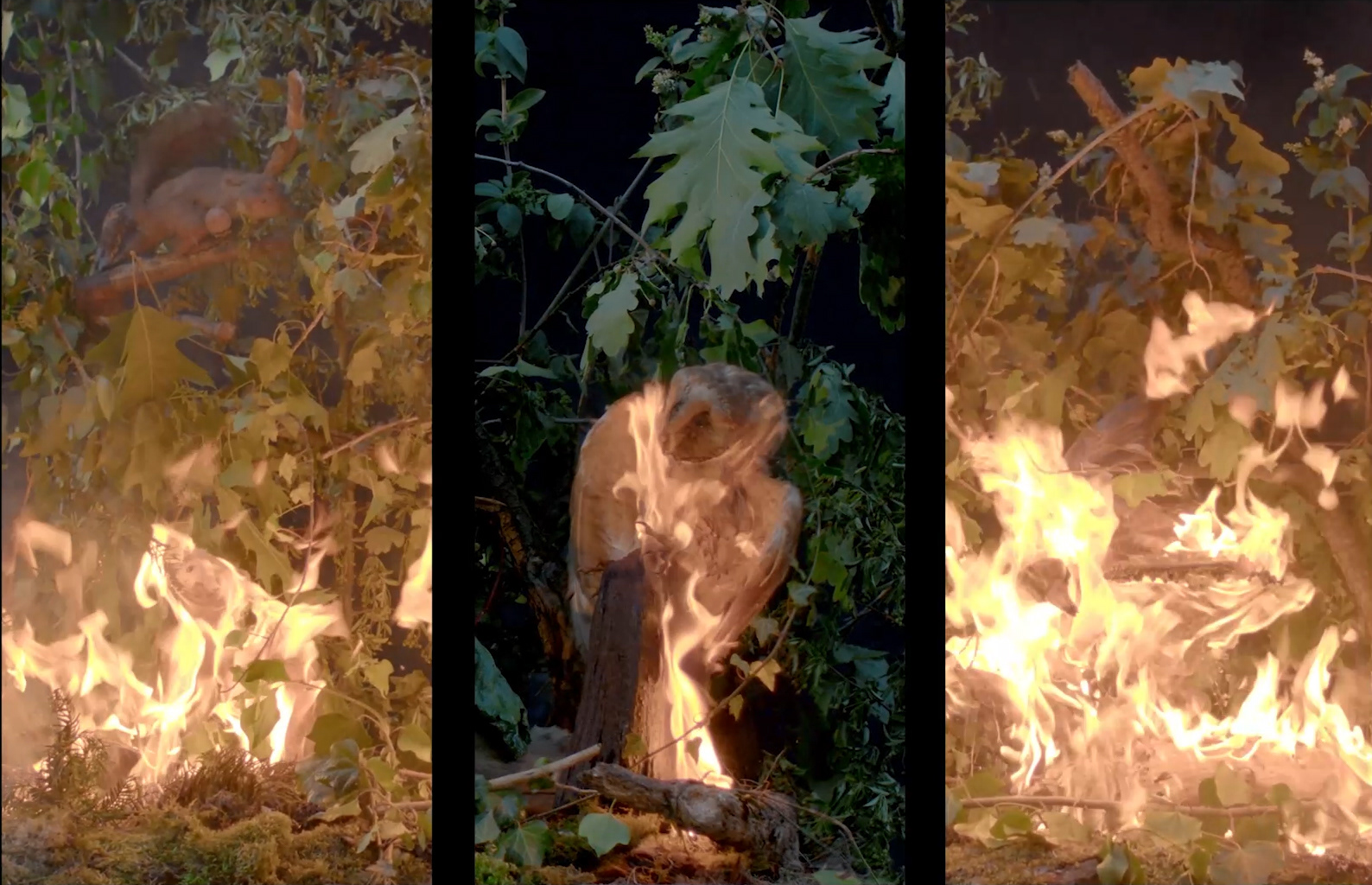
Three video loops show us stuffed animals trapped in a burning forest.
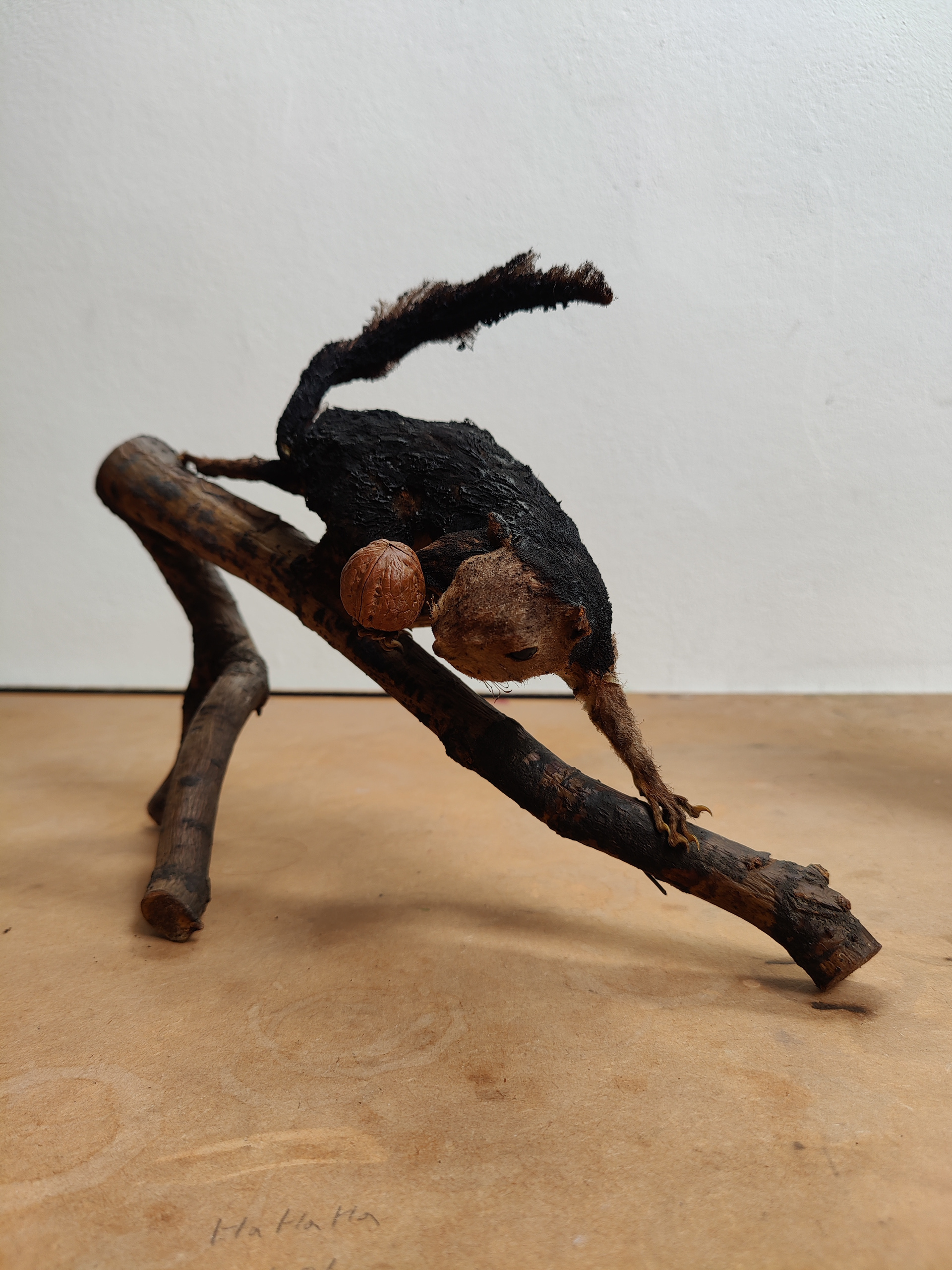
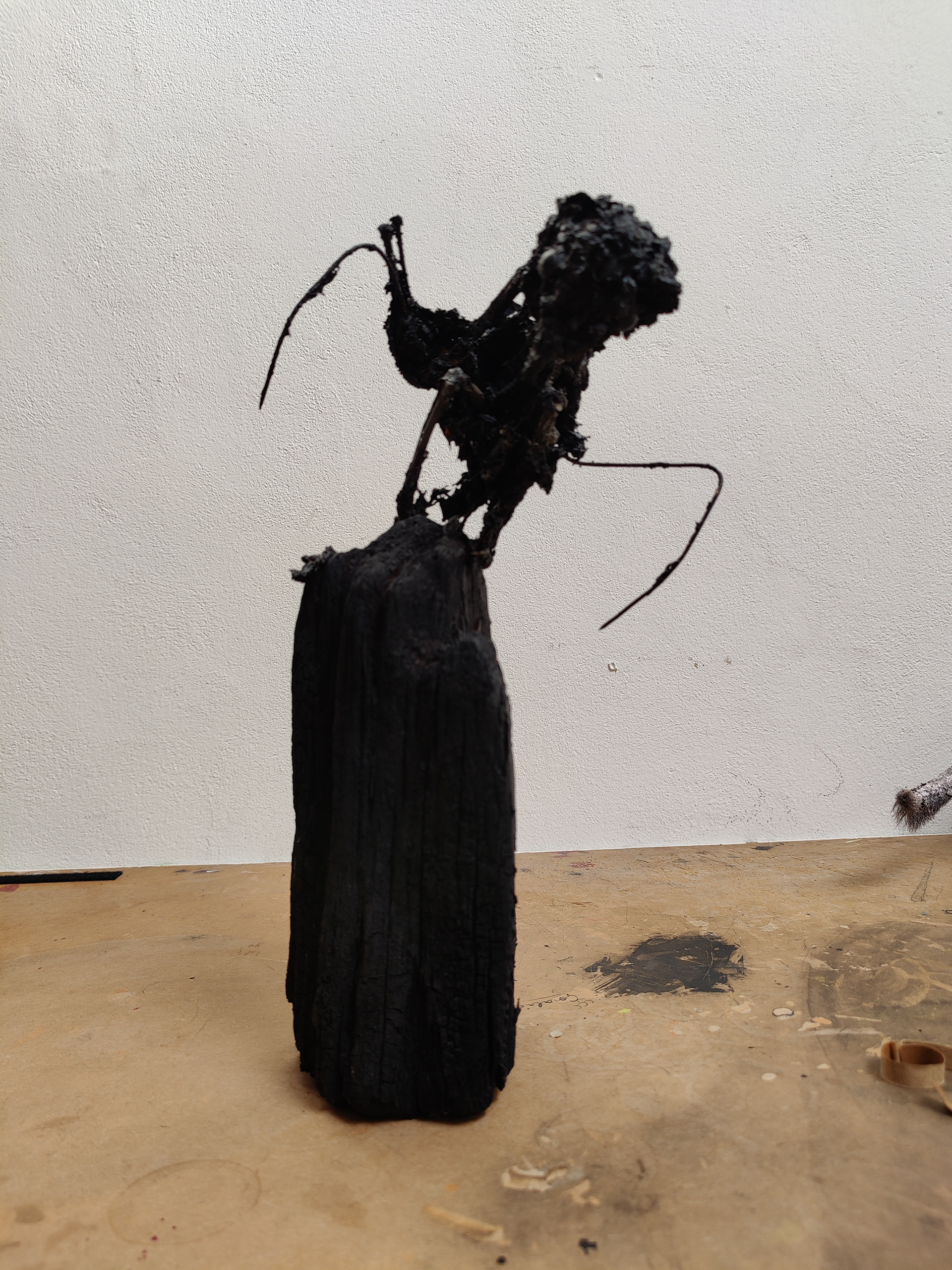
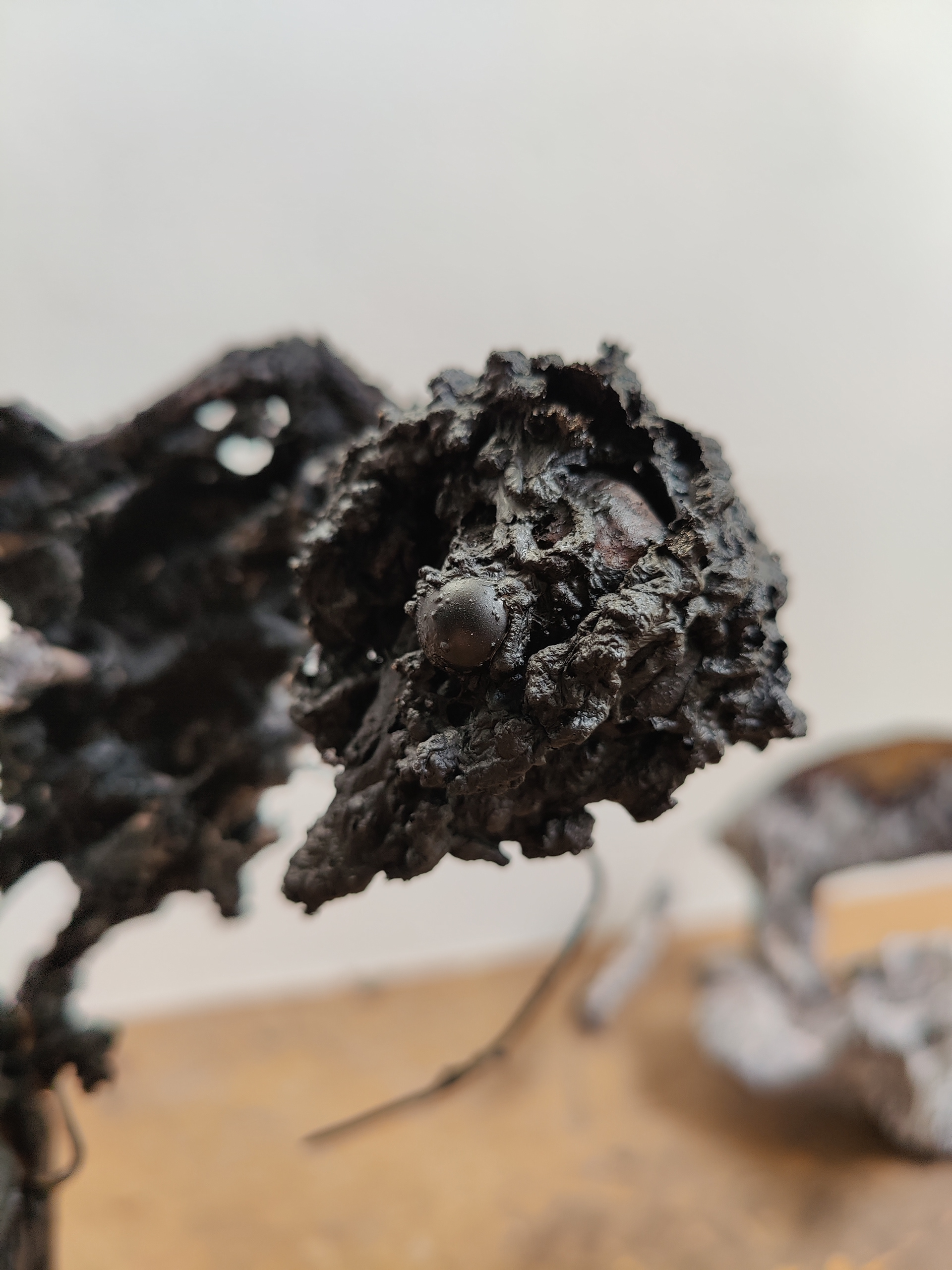
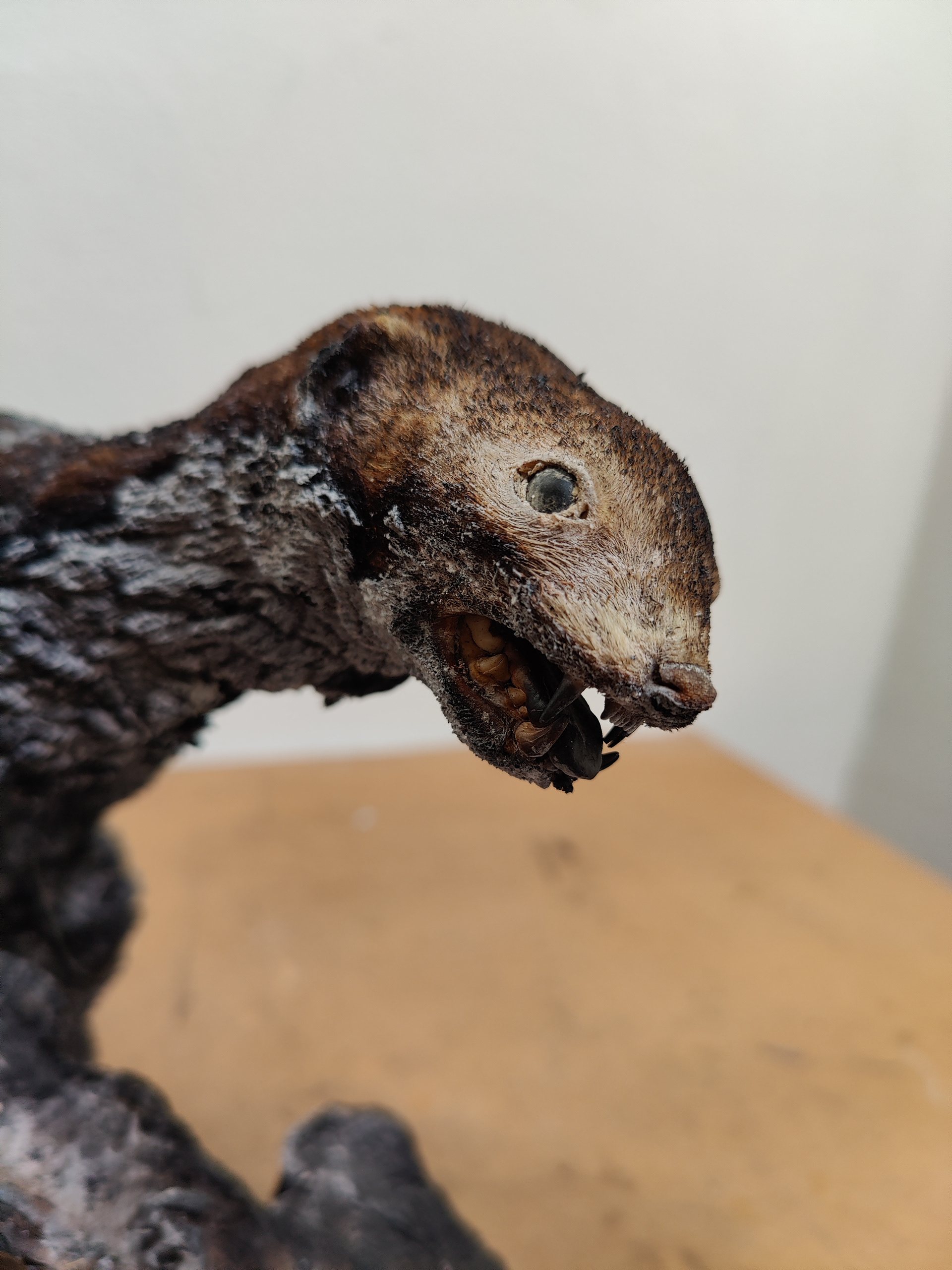
In front of each loop are the remains of the burned animal. Three charred carcasses that evoke a sculptural work.
In front of each loop are the remains of the burned animal. Three charred carcasses that evoke a sculptural work.
This incessant cycle of setting fire to forests and killing their wildlife, contrasted with the exploitation and exhibition of the bodies, tells the sad story of humankind’s relationship with nature.
“After the Fire” was born from an observation that is both brutal and almost commonplace: the fires that ravage forests all over the world. Every summer, the images are repeated, from the Amazon to Australia, from California to the Mediterranean coast. The flames advance, ecosystems collapse, and with them disappear animal species already weakened by global warming and the continued expansion of human activities.
Contemporary fires are no longer isolated disasters. They are the visible symptoms of a global disruption. Rising temperatures, soil desiccation, intensive monoculture, deforestation, and urbanization make forests more vulnerable, more flammable. To this climatic reality is added the direct responsibility of human activity. Fire becomes a tool, sometimes an accident, often a predictable consequence.
The installation features three stuffed animals.
The video shows them trapped in a burning forest.
The sculpture, for its part, displays the charred remains.
Between the moving image and the burnt material, the viewer’s gaze oscillates. This back-and-forth materializes a cycle: that of a destruction that repeats itself, season after season, year after year.
The video shows them trapped in a burning forest.
The sculpture, for its part, displays the charred remains.
Between the moving image and the burnt material, the viewer’s gaze oscillates. This back-and-forth materializes a cycle: that of a destruction that repeats itself, season after season, year after year.
“After the Fire” also questions what follows the fire. The charred lands become surfaces to be rebuilt, invested in, and made profitable. Images of catastrophe circulate, capturing attention.
What the installation contrasts is the violence of the disappearance with the coldness of its commodification.
What the installation contrasts is the violence of the disappearance with the coldness of its commodification.
Between the video loop and the sculpture, a cycle endlessly repeats itself: destruction, disappearance, exposure. The viewer stands in this interval. They can neither save the animal nor completely avert their gaze.
Through this installation, we wish to question the paradoxical relationship we maintain with nature: fascination, exploitation, destruction, and then commemoration.
We mourn what we continue to destroy. We denounce what we benefit from.
“After the Fire” doesn’t seek to illustrate a catastrophe; it seeks to evoke its repetition. It poses a simple yet unsettling question: what are we when fire becomes the landscape and we make profit out of it?